
What Aged Care Surveyors Really Look For During a Compliance Audit
Compliance
28 July 2026
Aged care audits go far beyond documentation. Discover what ACQSC surveyors actually assess — leadership culture, risk management, clinical governance, and consistent practice evidence.
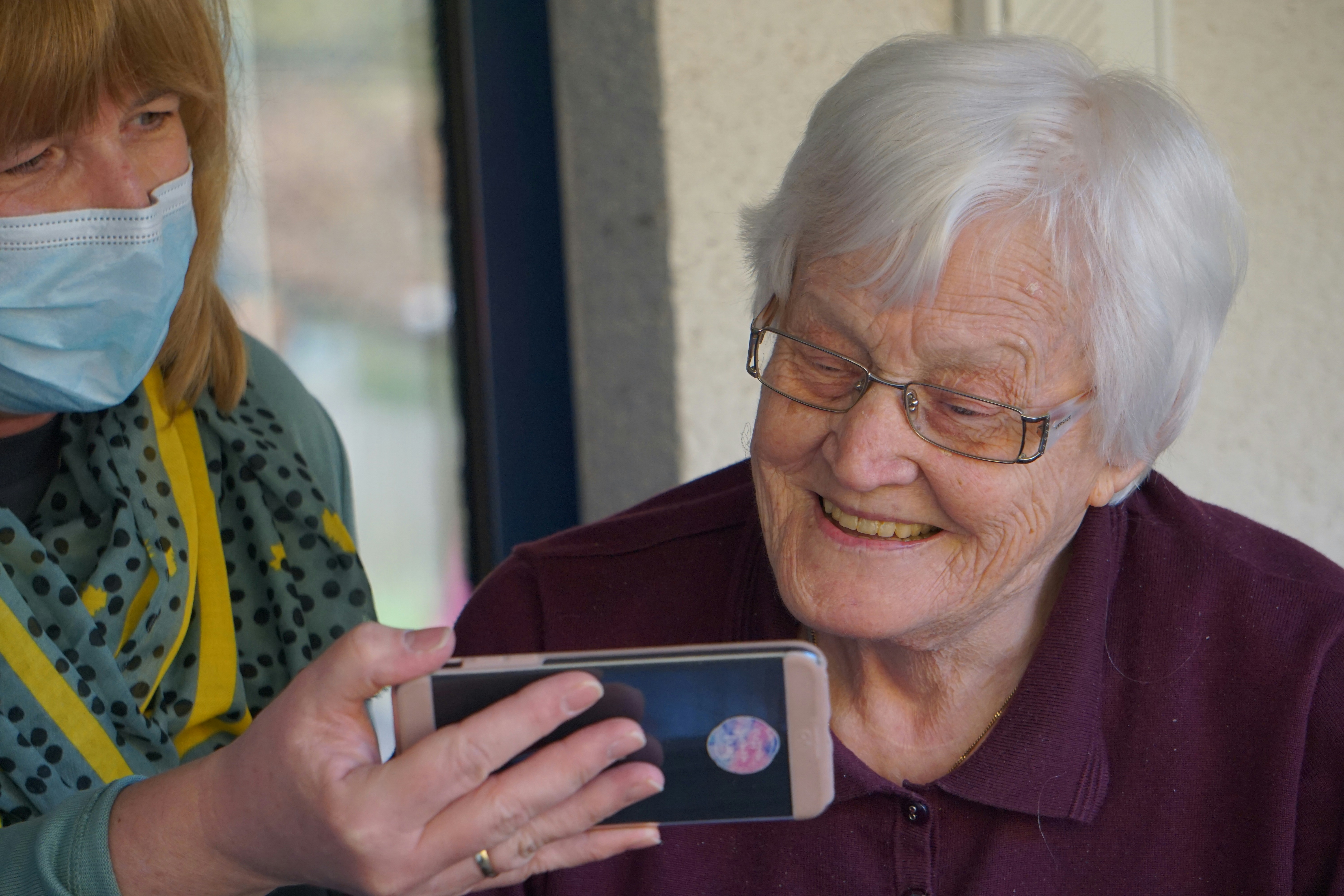
When a survey team walks through your doors — announced or not — they're not just ticking boxes on a checklist. Experienced aged care surveyors have refined instincts for what genuine compliance looks like versus performative compliance. They know the difference between a facility that lives its standards and one that dresses them up for inspection day. Understanding what surveyors actually focus on, beyond the published assessment framework, gives providers a significant advantage in maintaining authentic, audit-ready operations.
🛠️ Try our free Audit Readiness Scorecard
Get a fast readiness score across the 8 key areas auditors focus on, and see where to direct your team's attention first.
The First 30 Minutes: What Surveyors Observe Before They Ask a Single Question
Surveyors start assessing the moment they step out of their car. Before a single document is requested or interview conducted, they're absorbing environmental cues that tell them more than any policy folder ever could.
They notice the car park — is it well-maintained, or are there trip hazards? They notice the entrance — is it welcoming, or does it feel institutional? They notice the smell. Every aged care professional knows that a facility's odour tells you something immediate about cleaning standards, continence management, and ventilation.
Inside, they observe the reception area and common spaces. Are residents visible and engaged, or is the facility unusually quiet for the time of day? Are staff interacting with residents naturally, or did everyone suddenly become very attentive when the visitors arrived? Experienced surveyors can spot 'audit behaviour' — that subtle shift in energy when staff know they're being watched.
They also notice the less obvious things. Are call bells ringing unanswered? Is there adequate signage for residents with cognitive impairment? Are mobility aids within reach? Is the temperature comfortable? These observational assessments happen continuously throughout the visit, not just at the start.
One senior assessor told me: 'I can usually predict the outcome of an audit within the first 30 minutes of walking through a facility. The documents either confirm or contradict what I've already observed — they rarely surprise me.'
The lesson here is that compliance isn't about your documentation alone. It starts with the physical environment and the visible culture of care.
Staff Interactions: The Questions Behind the Questions
When surveyors speak with staff, they're doing far more than gathering information. They're assessing competence, confidence, and culture. The questions they ask are carefully designed, and the way staff respond matters as much as what they say.
Surveyors typically ask open-ended questions: 'Tell me about Mrs. Chen in Room 14.' They're not looking for a recitation of the care plan. They want to hear a staff member speak about a resident as a person — their preferences, their recent changes, their family dynamics. A carer who can only describe clinical information reveals a task-oriented rather than person-centred culture.
They'll ask scenario questions: 'What would you do if you noticed a resident seemed more confused than usual?' They're listening for whether the staff member describes a systematic response (assessment, escalation, documentation) or a vague one ('I'd tell the nurse').
Key things surveyors assess during staff interactions:
Consistency — Do different staff members give consistent accounts of procedures and protocols? Inconsistency suggests poor training or poor implementation
Confidence — Do staff seem comfortable discussing their work, or are they nervous and rehearsed? Nervousness can indicate a punitive culture or last-minute coaching
Ownership — Do staff speak about quality as 'our responsibility' or 'the quality manager's job'? This reveals whether compliance is genuinely embedded
Specificity — Can staff give specific examples of recent improvements or changes? Vagueness suggests compliance exists on paper but not in practice
The worst thing a provider can do is over-coach staff before an audit. Surveyors can tell when answers are scripted, and it raises more red flags than honest uncertainty would.
Resident and Family Interviews: The Voice That Matters Most
Under ACQS 2025, the consumer voice is central. Surveyors will speak with residents and their families, and these conversations carry enormous weight in the assessment process. No amount of documentation can overcome a resident who says they don't feel safe or respected.
Surveyors approach resident interviews with sensitivity. They understand cognitive impairment, communication difficulties, and the power dynamics at play when a resident is asked about the people who care for them. They're trained to create safe spaces for honest feedback.
What they listen for includes:
Choice and control. Does the resident feel they have genuine say in their care? Can they choose when to get up, what to eat, how to spend their day? Or do they describe a rigid routine that suits the facility rather than the individual?
Responsiveness. When the resident presses their call bell, what happens? When they raise a concern, do they feel heard? The resident's perception of responsiveness often differs markedly from the facility's documented response times.
Dignity. This is felt, not measured. Does the resident feel treated with dignity? Do staff knock before entering? Do they address residents by their preferred name? Do they protect privacy during personal care?
Family members offer a different but equally valuable perspective. They often notice changes that residents may not articulate — declining hygiene standards, reduced activities, staff turnover affecting continuity of care. Surveyors pay close attention to family complaints and whether the facility has genuinely addressed them.
Providers who genuinely embed person-centred care rarely have problems with consumer interviews. The issue arises when there's a gap between the care model on paper and the care experience in reality.
Documentation Deep Dives: What Gets Scrutinised and Why
Documentation review is the backbone of any compliance audit, but surveyors don't read every document in your system. They use targeted sampling strategies that maximise the information gained from minimum documents reviewed.
Common sampling approaches include:
Risk-based sampling. Surveyors will request records for residents identified as high-risk — those with complex care needs, recent hospitalisations, behavioural support needs, or restrictive practices in place. If your documentation is weak for your most vulnerable residents, that's a serious finding.
Incident-triggered sampling. They'll pick a recent incident from your SIRS reports and trace the documentation trail from report through investigation to corrective action. They're looking for a complete loop — not just that the incident was reported but that it was investigated, that root causes were identified, that actions were taken, and that those actions were effective.
Random sampling. To avoid providers only maintaining good documentation for 'known' high-risk residents, surveyors will randomly select records to review. This tests the consistency of your documentation practices across the entire resident population.
Within individual records, surveyors focus on:
Timeliness — Are assessments completed on schedule? Are progress notes recorded within expected timeframes?
Specificity — Do notes contain meaningful clinical and personal information, or are they generic ('Resident had a good day')?
Alignment — Does the care plan align with the assessment? Do progress notes reflect the care plan? Is there a coherent narrative across the record?
Currency — When was the last meaningful update? Stale records suggest the care plan isn't a living document
The providers who fare best in documentation reviews are those whose documentation serves a genuine clinical purpose, not just a compliance one. When staff document because it helps them deliver better care, the compliance value follows naturally.
Clinical Governance: Where Many Providers Come Unstuck
clinical governance is consistently one of the most challenging areas in aged care compliance audits. Not because providers don't have governance structures — most do — but because the structures don't function as genuine oversight mechanisms.
Surveyors assess clinical governance by looking for evidence that your governance structures actually influence clinical practice. They'll ask to see:
Meeting minutes from clinical governance or quality committees. They're not interested in meeting frequency alone — they want to see what was discussed, what data was reviewed, what decisions were made, and critically, what actions resulted. Minutes that read 'Discussed incident rates. Noted improvement needed. Action: Continue monitoring' demonstrate a committee that meets but doesn't govern.
Data-driven decision-making. What clinical data does your governance structure review? Falls rates, pressure injury incidence, medication incidents, restraint use, unplanned weight loss? Surveyors expect to see not just that data is collected but that it's analysed, trended, benchmarked, and used to drive improvement.
Escalation pathways. When a clinical governance review identifies a concerning trend, what happens next? Is there a clear escalation pathway from committee to management to the board? Can you demonstrate instances where governance oversight led to meaningful change?
Under ACQS 2025 Standard 8, the governing body (board or equivalent) has explicit accountability for clinical quality. Surveyors may interview board members directly, asking them how they assure themselves that care is safe and of high quality. Board members who can only point to management assurances — rather than independent data and robust reporting — create a significant compliance risk.
Strengthening clinical governance requires honest assessment of whether your governance mechanisms are genuinely functional or merely ceremonial. The difference is stark, and surveyors can identify it quickly.
Staffing: Beyond the Numbers
Staffing is a hot-button compliance area, especially with the introduction of mandatory care minutes under the strengthened Aged Care Act. But experienced surveyors look well beyond whether you meet the minimum minutes requirement.
They assess staffing through multiple lenses:
Skill mix. Are the right staff available at the right times? Having enough total staff hours doesn't help if there's no registered nurse available when clinical decisions need to be made. Surveyors look at how skill mix aligns with resident acuity, particularly during evenings, weekends, and public holidays when staffing often thins out.
Continuity. How consistent is your staffing? High agency usage or excessive roster changes affect care quality because temporary staff don't know residents' individual needs. Surveyors may ask residents 'Do you see the same carers regularly?' as a proxy for continuity.
Competence. Are staff trained and competent for their roles? This goes beyond holding qualifications to demonstrating current competence. Can your enrolled nurse explain their wound care assessment process? Can your personal carers demonstrate safe manual handling? Surveyors may observe care delivery to assess competence in practice.
Workload. Are staff visibly rushed, stressed, or cutting corners? Surveyors spend time in care areas during peak periods (morning routines, mealtimes) to observe whether staffing levels translate to adequate time for quality care delivery.
The care minutes requirement (200 minutes per resident per day, including 40 registered nurse minutes) is a minimum floor, not a quality ceiling. Providers who treat it as a target to barely meet, rather than a baseline to build from, often find their care outcomes reflect that minimalist approach. Surveyors look at the relationship between your staffing profile and your care outcomes — falls rates, pressure injuries, restraint use — to assess whether staffing is genuinely adequate for your resident cohort.
The SIRS Factor: How Incident Management Shapes Surveyor Confidence
The Serious Incident Response Scheme (SIRS) generates a data trail that surveyors use extensively. Your SIRS reporting history tells a story — and surveyors are skilled at reading it.
Under-reporting is a red flag. If a facility with 100+ residents reports very few incidents, surveyors don't assume the facility is exceptionally safe. They assume the reporting culture is weak. They'll cross-reference your SIRS data against other indicators: hospital transfer rates, complaints, clinical incidents documented internally but not reported.
Over-reporting without classification is another issue. Some providers report everything to SIRS as a risk-avoidance strategy, but fail to properly classify, investigate, or learn from the incidents. Volume without quality suggests a compliance-driven approach rather than a quality-driven one.
What surveyors really want to see is a mature incident management cycle:
Reporting — timely, accurate, appropriately classified incidents reported to the Commission
Investigation — proportionate investigation that identifies root causes, not just surface events
Action — corrective actions that address root causes, not just individual incidents
Monitoring — follow-up to verify that actions were effective and improvements sustained
Learning — evidence that incident learnings are shared across the facility and embedded in practice
A common weakness surveyors find is the gap between investigation and systemic action. Providers investigate individual incidents thoroughly but fail to aggregate and analyse incident data for systemic patterns. Five separate falls in the same corridor over three months might each be investigated individually without anyone identifying the environmental hazard they all share.
Demonstrating a mature SIRS response builds significant surveyor confidence in your overall quality and safety systems.
Common Audit Findings and How to Avoid Them
After reviewing hundreds of audit reports from across the sector, clear patterns emerge in the most common findings. Understanding these patterns helps providers target their compliance efforts where they'll have the most impact.
Care planning deficiencies remain the most frequent finding. Specifically:
Care plans that don't reflect current assessed needs — the assessment says high falls risk but the care plan doesn't include falls prevention strategies
Care plans not updated after significant changes — a hospitalisation, a decline in cognition, a change in mobility
Lack of resident and family involvement in care planning — no evidence that preferences were sought or incorporated
Generic care plans — the same interventions appearing across multiple residents regardless of individual circumstances
Medication management is the second most common area of concern. Surveyors look for: PRN medication reviews (are residents on 'as needed' medications that are being used regularly without being converted to regular?), psychotropic medication monitoring (are residents on antipsychotics reviewed quarterly as per best practice?), and medication incident trends.
Restrictive practices documentation frequently generates findings. Since the introduction of the restrictive practices framework, surveyors closely examine whether restrictive practices are properly authorised, regularly reviewed, applied as a last resort, and documented in the resident's behaviour support plan. Any restrictive practice without a current behaviour support plan is a serious non-compliance.
Workforce-related findings have increased under the strengthened standards. Training records that don't demonstrate ongoing competency development, orientation programs that don't cover clinical and compliance essentials, and performance management systems that don't address care quality concerns are all commonly cited.
The common thread across these findings is the gap between system and practice. Having a policy or procedure isn't enough — surveyors want evidence that the policy is implemented, monitored, and effective.
Preparing Without Over-Preparing: Authentic Audit Readiness
There's a paradox in audit preparation: the providers who prepare the most intensively often perform worse than those who maintain steady compliance. Over-preparation creates artificial conditions that experienced surveyors see through immediately.
Signs of over-preparation that surveyors recognise:
Staff who give identical answers to questions — suggesting they've been coached rather than reflecting genuine understanding. Suddenly pristine documentation that contrasts with the standard of records from months earlier. An unusually calm and organised facility on what should be a normal busy day. Residents who seem aware that 'inspectors are here' (a sign that the facility's response to the visit has been conspicuous rather than business-as-usual).
Authentic audit readiness looks different. It means:
Your documentation quality is consistent over time — not just recently improved
Staff can discuss their work naturally because they understand what they do and why
Your evidence is always accessible because it's well-organised as standard practice
When gaps exist (and they always do), you can demonstrate awareness of them and actions underway to address them
Surveyors actually respond well to providers who acknowledge areas for improvement. It demonstrates self-awareness and commitment to quality — both hallmarks of a mature provider. What they respond poorly to is providers who claim perfection. No aged care facility is perfect. Claiming otherwise suggests either a lack of self-awareness or an unwillingness to be honest.
The best preparation for an audit is genuine continuous compliance — systems that work every day, not just on audit day. If the idea of an unannounced visit tomorrow fills you with dread, that's a sign your compliance model needs work. If it simply means showing the assessors what you do every day, you're already where you need to be.
Invest in systems that make compliance visible and current, technology that surfaces issues before surveyors do, and a culture where quality is owned by everyone. That's not audit preparation — that's just good aged care.
🛠️ Try our free Audit Readiness Scorecard
Get a fast readiness score across the 8 key areas auditors focus on, and see where to direct your team's attention first.
Written by

James Driscoll
Writer
Latest Articles & Guides
Stay informed with the latest guides and news.


Ready to Move From Reactive to Continuous Compliance?
See how Willow supports structured governance, real-time monitoring, and audit-ready operations.